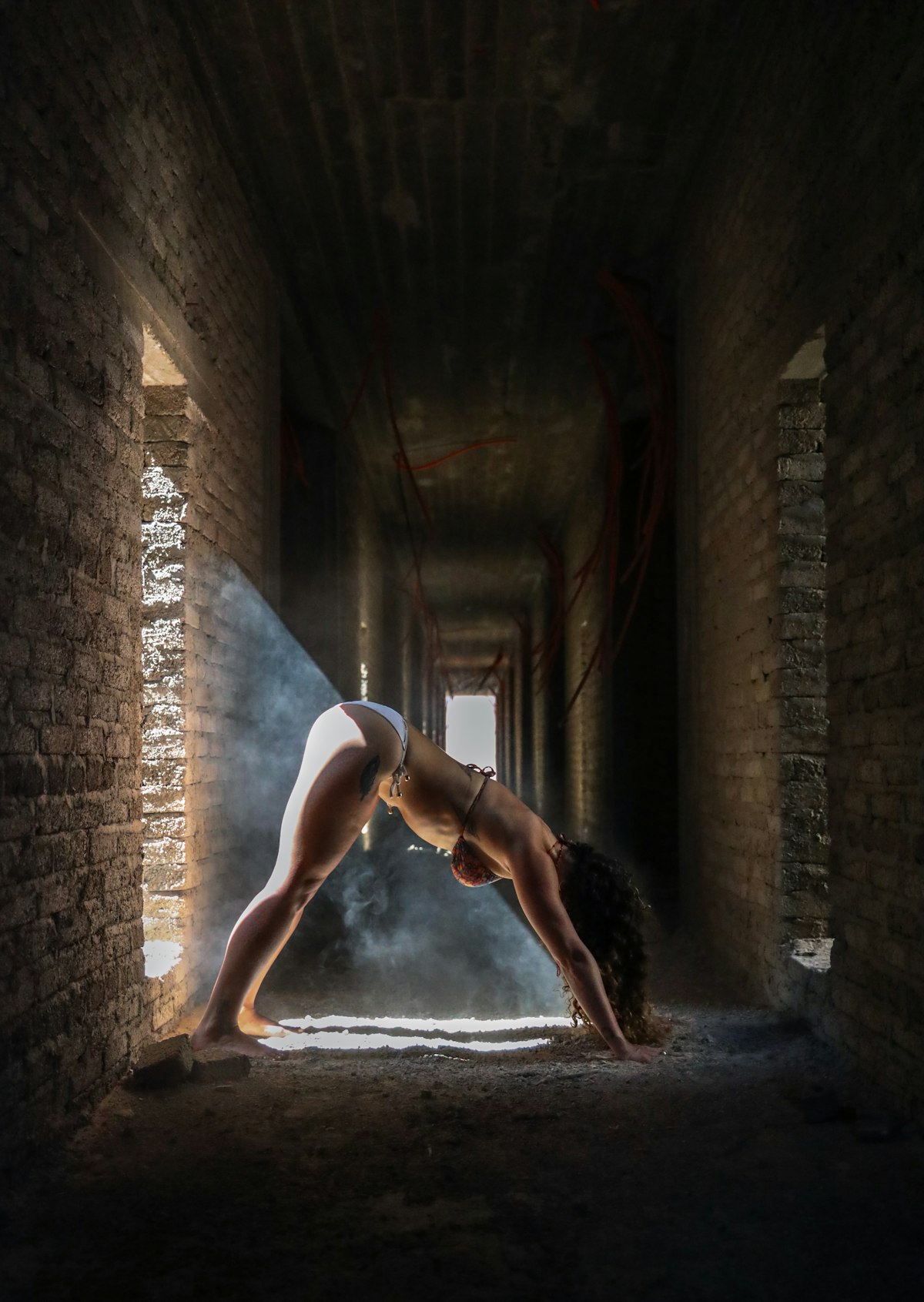
If a single pose represents yoga in popular imagination, it is likely Downward-Facing Dog. Despite its ubiquity, it is also one of the most frequently misaligned postures in practice — small adjustments make a significant difference in both safety and benefit.
What the Pose Actually Targets
Downward Dog lengthens the hamstrings, calves, and spine while building strength through the shoulders, arms, and upper back — a genuinely complete pose offering both stretch and strengthening simultaneously. It also functions as a mild inversion, gently shifting blood flow and offering a brief mental reset within a flowing sequence.
Step-by-Step Alignment
Begin on hands and knees, wrists slightly forward of the shoulders. Spread the fingers wide, pressing firmly through the whole hand — particularly the base of the index finger and thumb, a spot many practitioners under-engage. Lift the hips up and back, straightening the legs as much as is comfortable while maintaining length in the spine. A slight bend in the knees is entirely appropriate, and often preferable to straight legs achieved by rounding the lower back.
The Most Common Mistake: Prioritizing Straight Legs Over a Long Spine
Many practitioners, particularly beginners with tight hamstrings, focus on straightening the legs at the expense of spinal length — rounding through the lower and mid-back to bring the heels closer to the floor. This is backward: a long, neutral spine with bent knees offers far more genuine benefit and safety than straight legs achieved through compromised alignment, directly connecting to the spinal mechanics covered in our anatomy guide.
The Second Most Common Mistake: Collapsing Into the Shoulders
Without active engagement, the shoulders can collapse toward the ears or the chest can sink between the shoulder blades, placing strain on the shoulder joints rather than distributing weight appropriately. Actively pressing the floor away, rotating the upper arms slightly outward, and drawing the shoulder blades down the back addresses this.
Modifications Worth Knowing
For tight shoulders or wrists, a slightly wider hand position or supporting the hands on blocks can ease strain. For very tight hamstrings, bending the knees generously and walking the feet wider than hip-width creates more accessible alignment without sacrificing the pose's core benefits.
Why This Pose Appears So Frequently in Sequences
Beyond its standalone benefits, Downward Dog serves as a natural transitional and resting pose within flowing sequences like Surya Namaskar — accessible enough to pause and breathe within, while still offering genuine stretch and strength benefit even during a brief transition.
Learning Correct Alignment With Direct Feedback
Written instruction can only go so far with a pose this commonly practiced incorrectly — individual, hands-on correction makes a measurable difference. This kind of detailed alignment instruction is central to the asana curriculum in our 200-hour program.