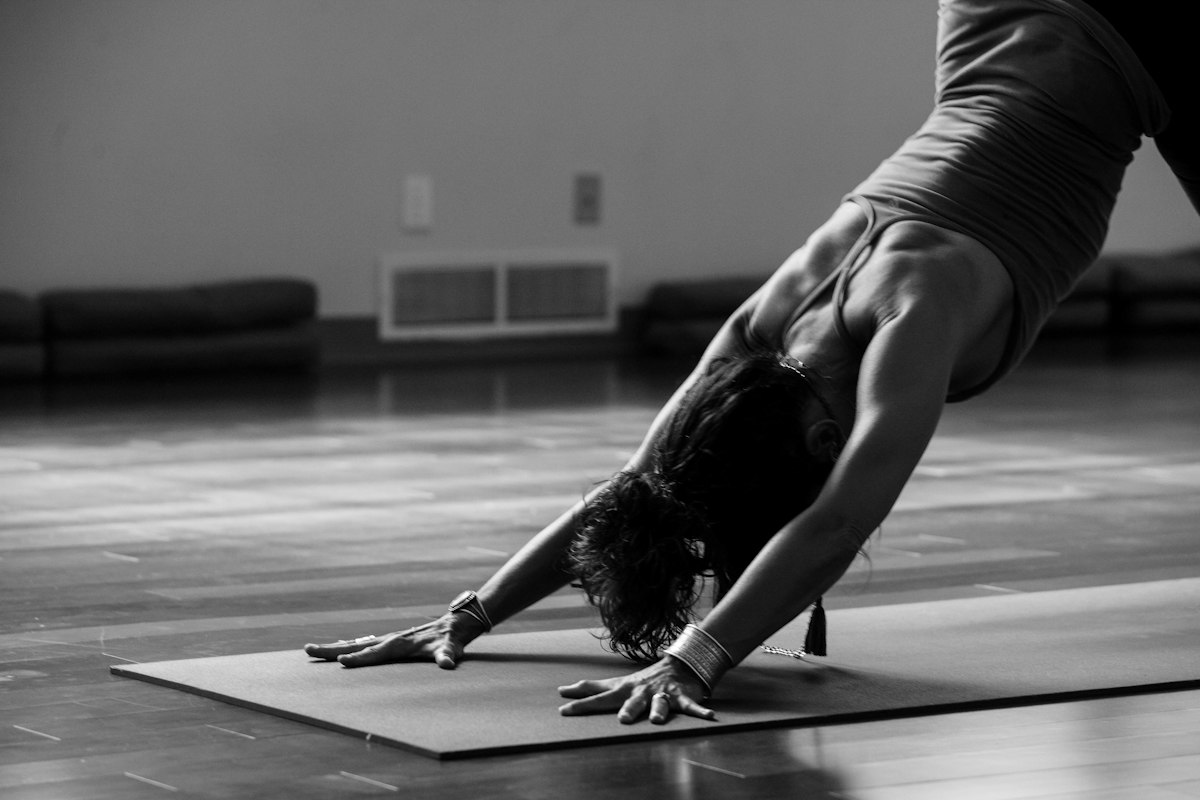
Of the eight limbs described in our earlier overview, Pratyahara — sense withdrawal — receives comparatively little dedicated attention in most contemporary yoga instruction, despite serving as the crucial bridge between the more outward-facing limbs (asana, pranayama) and the inward-facing limbs (dharana, dhyana, samadhi).
What Pratyahara Actually Describes
The term combines "prati" (against or away) with "ahara" (food or nourishment, here referring to sensory input) — describing a deliberate withdrawal of attention from the constant stream of sensory stimulation (sight, sound, touch, taste, smell) that typically occupies consciousness throughout ordinary waking life.
Why This Limb Is Difficult to Practice in Modern Life
Contemporary life involves an unprecedented density of sensory and informational stimulation — constant notifications, ambient noise, visual input from screens — making genuine sense withdrawal considerably more challenging to access than it likely was in the relatively quieter environments where this tradition originally developed.
A Practical Entry Point: Closing the Eyes
The simplest, most accessible practice of Pratyahara is the deliberate closing of the eyes during meditation or pranayama — eliminating the dominant sensory channel (vision) immediately reduces the volume of incoming stimulation the mind must process, creating space for the inward attention that follows in dharana and dhyana.
Beyond Simply Closing the Eyes
Genuine Pratyahara extends beyond the physical closing of eyes to a felt, internal withdrawal of attention from all sensory input — noticing sounds without following them into thought, noticing physical sensations without elaborating a story around them. This is considerably more subtle and difficult than the physical gesture of closing the eyes alone.
The Connection to Trataka
Interestingly, Trataka (candle gazing) uses a single, fixed visual point specifically to train the kind of focused, undistracted attention that supports Pratyahara — using one controlled sensory input to train withdrawal from the broader field of sensory distraction, a seemingly paradoxical but traditionally coherent approach.
Why This Limb Matters for the Stages That Follow
Dharana (concentration) and dhyana (meditation), covered in our discussion of samadhi, become considerably more accessible once sensory distraction has been deliberately reduced — attempting deep concentration while still fully absorbed in external sensory input represents a much steeper challenge than concentration practiced after genuine sense withdrawal.
Building This Into Daily Practice
Even brief, regular practice — a few minutes of eyes-closed stillness, deliberately noticing and releasing the pull of ambient sound or thought — builds the capacity for sense withdrawal gradually, similar to how the broader sadhana discussed elsewhere on this blog develops through consistent, modest daily practice rather than occasional intensive attempts.