Ask most people what yoga is, and they will describe a posture practice. But the foundational text of classical yoga, Patanjali's Yoga Sutras, describes a complete eight-limbed path of which physical postures are just one part — and not even the first one. Understanding all eight limbs reframes what "doing yoga" actually means.
1. Yama — Ethical Restraints
The first limb concerns how you relate to the world around you: non-violence (ahimsa), truthfulness (satya), non-stealing (asteya), moderation (brahmacharya), and non-possessiveness (aparigraha). These are not abstract ideals but practical guides for daily behavior — the ethical foundation everything else is built on.
2. Niyama — Personal Observances
Where the yamas govern your relationship to others, the niyamas govern your relationship to yourself: cleanliness (shaucha), contentment (santosha), discipline (tapas), self-study (svadhyaya), and surrender (ishvara pranidhana).
3. Asana — Posture
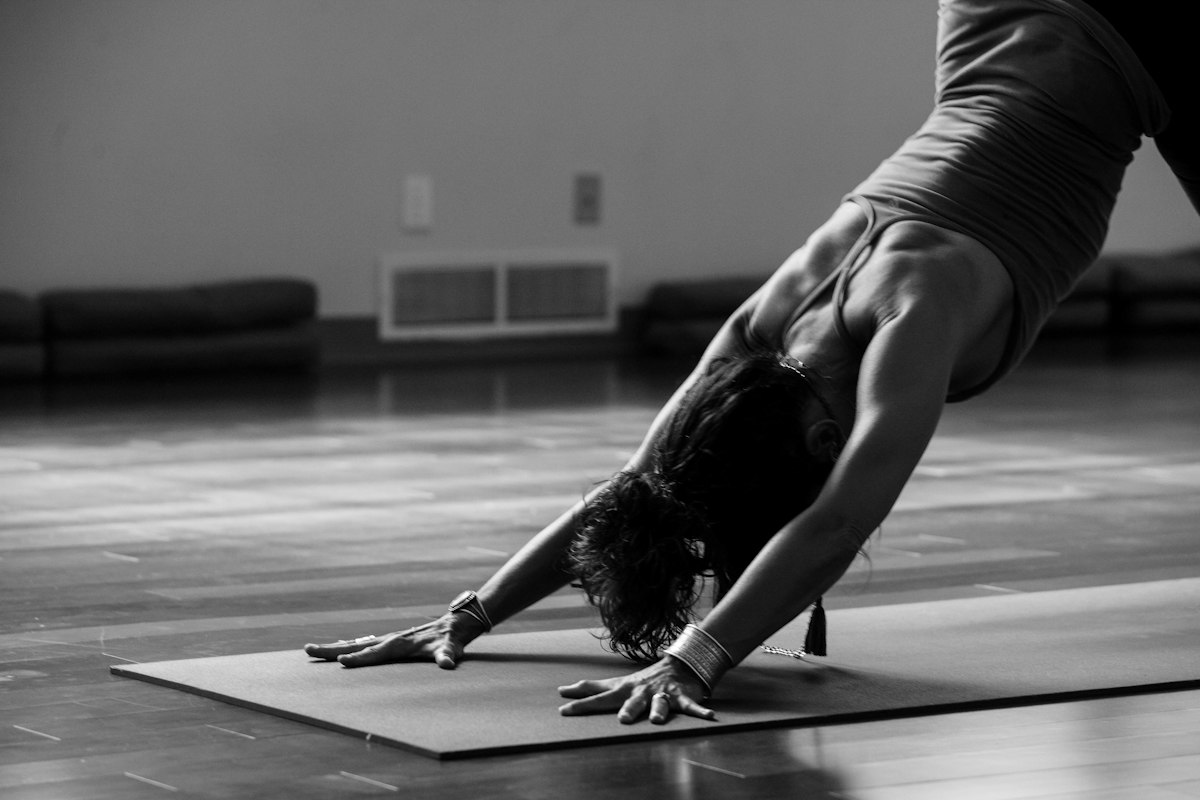
Here, finally, is the limb most people associate with "yoga." In the classical texts, asana refers specifically to a steady, comfortable seated posture suitable for meditation — not the wide vocabulary of physical poses taught in modern studios. The expansion into a full physical practice happened largely through Hatha Yoga traditions developed centuries after Patanjali, as a way of preparing the body to sit comfortably for long periods.
4. Pranayama — Breath Control
Already covered in our dedicated guide to pranayama, this limb regulates the breath to influence the mind and prepare for deeper meditative states.
5. Pratyahara — Withdrawal of the Senses
This limb describes deliberately turning attention inward, away from external sensory stimulation — the practice of closing your eyes and genuinely disengaging from the pull of sights, sounds, and sensations rather than simply ignoring them.
6. Dharana — Concentration
Once the senses are withdrawn, dharana is the practice of fixing attention on a single point — a mantra, the breath, a candle flame (as in trataka meditation), or an internal image — without distraction.
7. Dhyana — Meditation
Where dharana is effortful concentration, dhyana is what happens when that concentration becomes effortless and sustained — a continuous, unbroken flow of attention rather than repeated returns to a point of focus.
8. Samadhi — Union or Absorption
The final limb describes a state of complete absorption where the distinction between the meditator and the object of meditation dissolves. This is described differently across traditions, but broadly represents the ultimate aim of the entire eight-limbed path: a direct, unmediated experience of reality beyond ordinary conceptual thought.
Why This Matters for Your Practice
Seeing the full eight-limbed structure reframes asana practice as preparation, not the destination. This is exactly why traditional teacher trainings — including the philosophy curriculum in our 200-hour program — dedicate serious study time to the Yoga Sutras rather than treating philosophy as a single afternoon lecture squeezed between asana sessions.