If you have taken a vinyasa or Ashtanga class, you have almost certainly been instructed to breathe "like the ocean" — that soft, audible breath known as Ujjayi. Despite being one of the most common pranayama techniques taught, many practitioners never receive a clear explanation of what it actually does or how to do it correctly.
The Technique Itself
Ujjayi is performed by breathing in and out through the nose while slightly constricting the muscles at the back of the throat (the glottis) — similar to the sensation of quietly saying "haaa" with your mouth closed. This constriction creates a soft, audible, ocean-like sound on both the inhale and exhale, distinct from simply breathing loudly or forcefully.
How to Practice It Correctly
Start seated, away from the distraction of moving through poses. Inhale through the nose, gently engaging the throat to create the sound, then exhale the same way. The sound should be soft and steady — audible to yourself but not loud or strained. A common beginner mistake is forcing the sound through the nostrils or breathing too forcefully, which creates tension rather than the intended calming effect.
Why "Victorious Breath"
The Sanskrit name translates roughly to "victorious" or "to conquer" — traditionally interpreted as the breath that helps conquer or master the mind through sustained, controlled attention to each inhale and exhale, similar in spirit to how Nadi Shodhana uses structure to settle mental activity.
Why It Is Used During Asana Practice
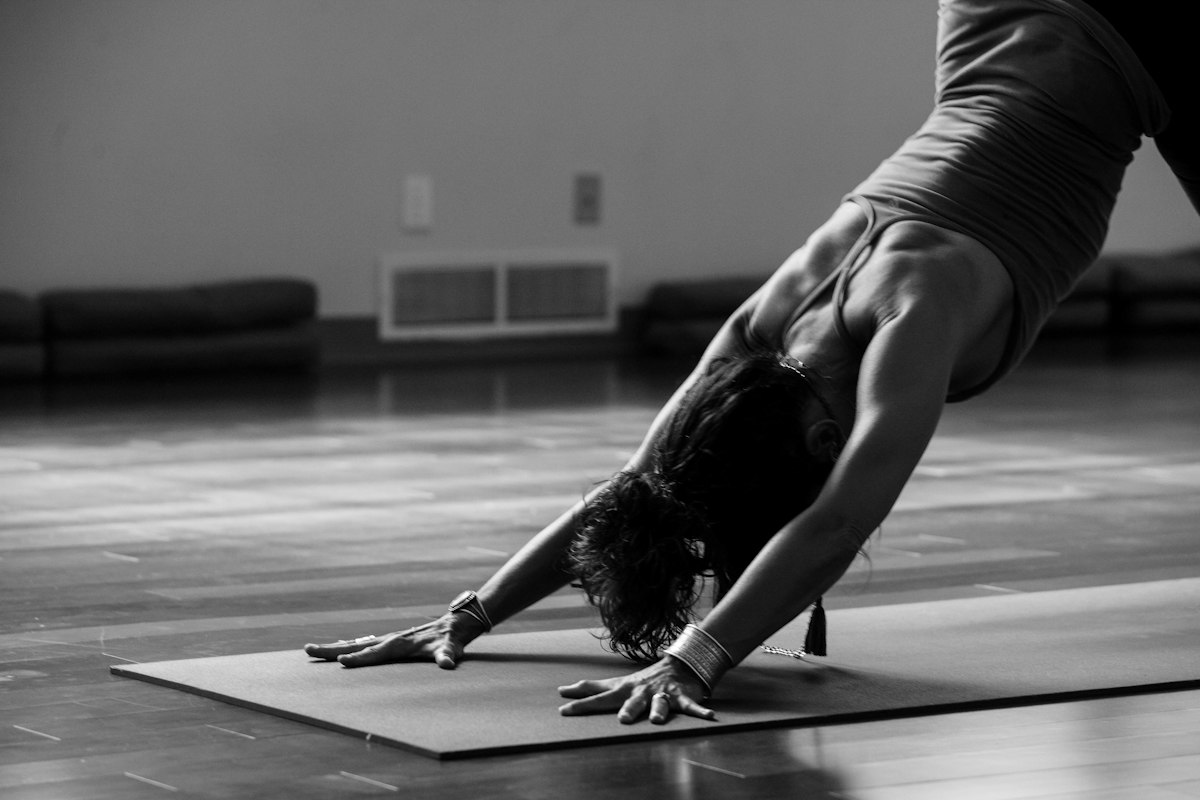
Beyond its calming effect, the audible quality of Ujjayi serves a genuinely practical function during movement-based practice: it gives both student and teacher an immediate, audible indicator of breath quality. A breath that becomes ragged, held, or rushed during a challenging pose signals that you are pushing beyond what your nervous system can comfortably integrate — useful real-time feedback that silent breathing does not provide.
The Heat-Building Effect
Many practitioners report that sustained Ujjayi practice during a flow class genuinely increases the sense of internal heat and energy — part of why it pairs particularly well with more dynamic styles like Ashtanga Vinyasa, where building and maintaining heat throughout the practice is part of the traditional intention.
Practicing Ujjayi Outside of Asana
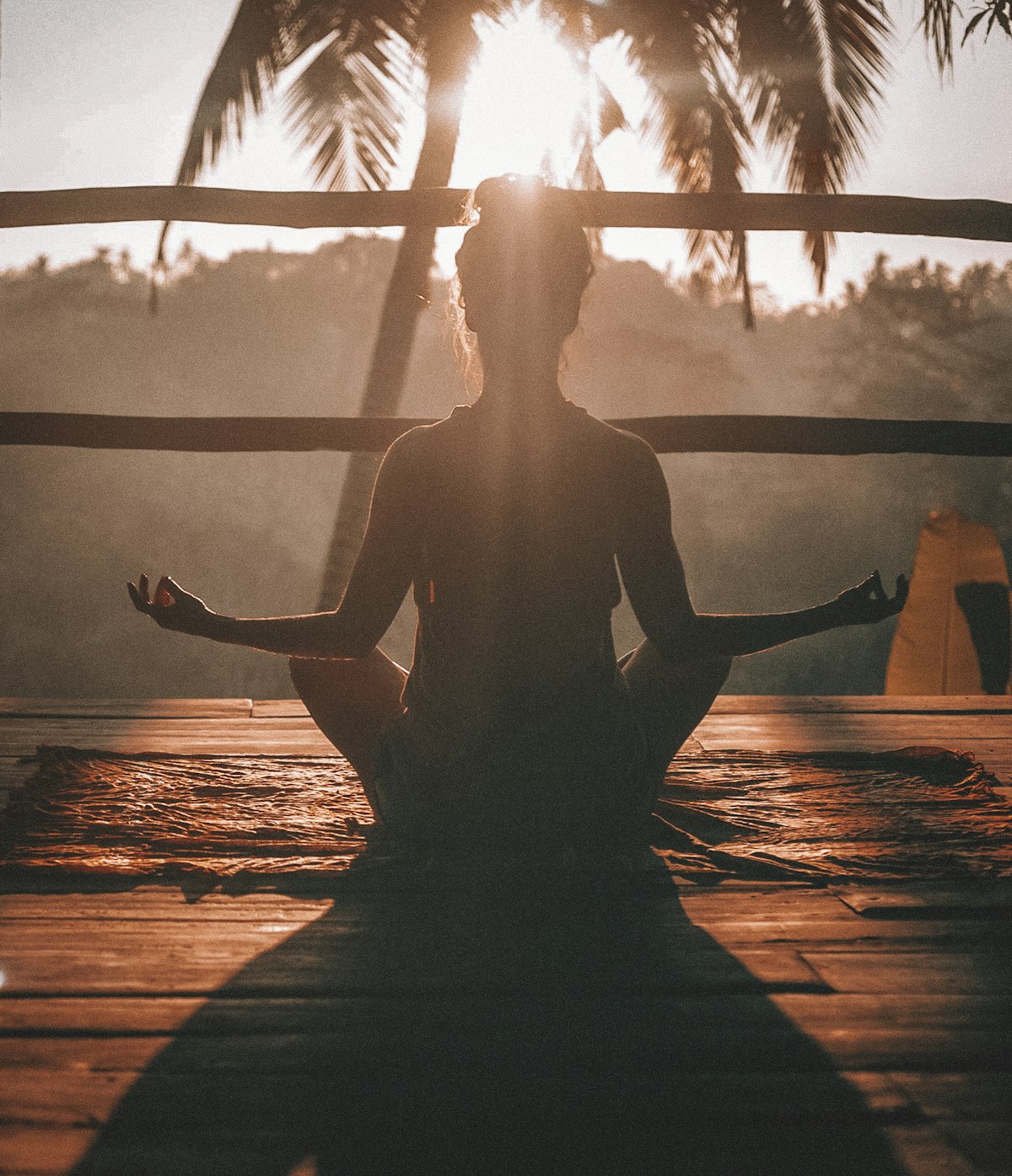
While most commonly encountered during movement practice, Ujjayi can also be practiced as a standalone seated pranayama technique, particularly useful as a calming practice before meditation or during moments of acute stress, since the audible feedback helps maintain steady, controlled breathing even when emotionally activated.
Learning to use Ujjayi correctly — and teaching it clearly to future students — is part of the pranayama curriculum throughout our 100-Hour Immersion and 200-Hour Teacher Training.