In casual Western usage, "yoga" and "meditation" sometimes blur together — both grouped loosely under wellness or mindfulness. Within the actual yogic tradition, the distinction is much clearer, and understanding it adds real precision to how you think about your own practice.
Yoga Is the Broader System
As covered in our overview of the eight limbs of yoga, "yoga" refers to a complete system encompassing ethical conduct, physical postures, breath control, sensory withdrawal, and several stages of progressively deeper concentration — of which meditation is one significant component, not a synonym for the whole system.
Meditation Is Specifically Dharana and Dhyana
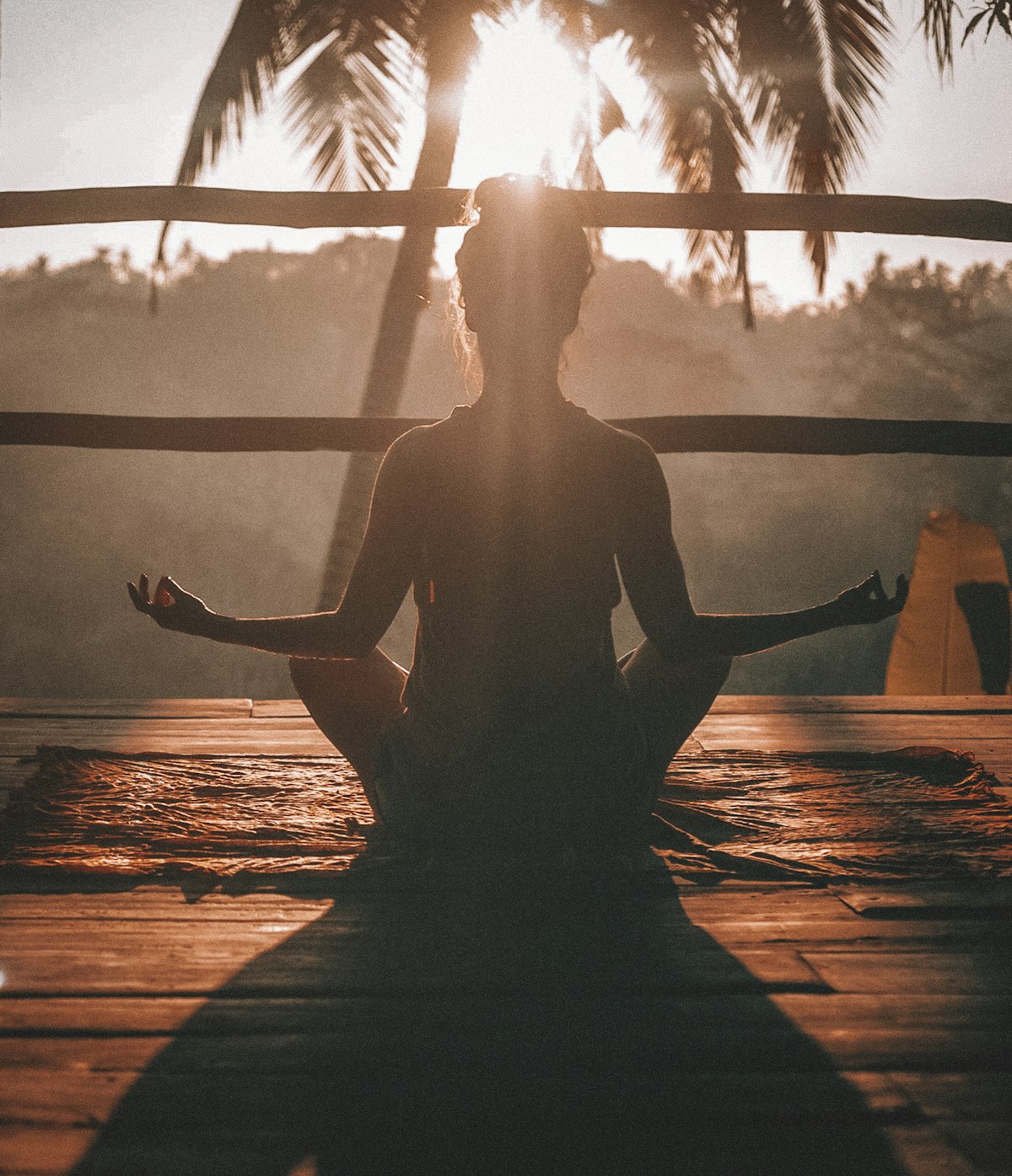
Within the eight-limbed structure, meditation most directly corresponds to dharana (concentration) and dhyana (sustained meditative absorption) — the sixth and seventh limbs. These represent the practice of training attention, first through effortful focus on a single point, then through that focus becoming effortless and continuous.
Why Asana Practice Often Comes First
Historically, physical postures developed substantially as preparation for meditation — the Hatha Yoga tradition explicitly frames asana as training the body to sit comfortably and steadily for extended periods, which is itself a prerequisite for sustained meditative practice. In this view, a vigorous asana class is not separate from meditation but a physical preparation enabling it.
Can You Meditate Without "Doing Yoga"?
Absolutely — meditation exists as a standalone practice across numerous traditions entirely separate from yoga (various Buddhist traditions, secular mindfulness programs, and others). Meditation does not require yoga postures or philosophy; it is yoga, as a complete system, that includes meditation as one of its components, not the reverse.
Can You "Do Yoga" Without Meditating?
Many contemporary studio classes focus almost entirely on asana, with little to no dedicated meditation component — which is not "wrong" exactly, but represents a significant narrowing of the traditional system to one of its eight limbs. This is part of why a comprehensive teacher training, rather than a purely asana-focused certification, matters for anyone who wants to understand and eventually teach the fuller picture.
Practical Implications for Your Practice
If your current practice is exclusively physical, understanding this distinction might prompt curiosity about adding a dedicated meditation practice alongside asana — not as a separate, unrelated activity, but as a natural extension of the same broader system. Conversely, if you meditate regularly without any physical practice, recognizing that asana traditionally serves meditation (rather than functioning as a competing, unrelated discipline) might reframe how you think about incorporating movement.
This integrated view — where asana, pranayama, and meditation are taught as interconnected rather than separate modules — is the foundation of how philosophy and practice are woven together throughout our 200-hour curriculum.