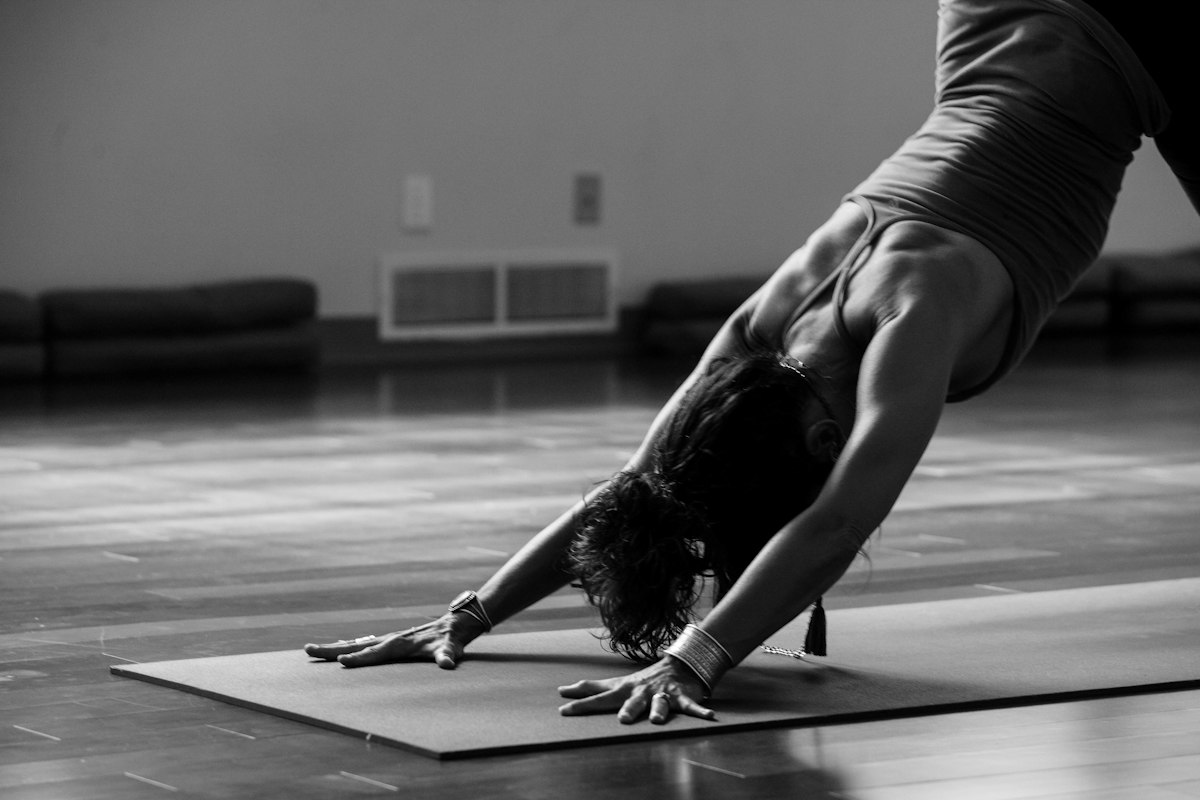
Sleep difficulties are among the most common reasons people explore a gentle evening yoga practice, and a well-designed short sequence genuinely can improve sleep onset and quality — though the specific approach matters more than simply "doing yoga before bed."
Why Evening Practice Differs From Morning Practice
An effective evening sequence prioritizes calming, parasympathetic-activating movement over the energizing, heat-building qualities often emphasized in morning practice. Vigorous flow sequences or energizing pranayama like Kapalabhati are generally inappropriate before sleep, working against rather than supporting the desired wind-down.
A Simple, Effective Evening Sequence
Legs Up the Wall (5 minutes) — A gentle inversion that supports circulation and signals the nervous system toward rest, requiring no effort to maintain once positioned.
Supine Twist (1-2 minutes per side) — Gentle spinal rotation lying down, releasing tension accumulated through the day without requiring active engagement.
Reclined Bound Angle Pose (3-5 minutes) — A passive hip opener, ideally supported with cushions, encouraging the body toward stillness.
Extended Child's Pose (2-3 minutes) — As covered in our dedicated guide, a genuinely restful position to settle into before the final pose.
Savasana with Extended Breath (5-10 minutes) — Lying still, practicing a slightly extended exhale relative to the inhale, actively cuing the parasympathetic nervous system toward sleep readiness.
The Breath Component Matters Significantly
Beyond the poses themselves, consciously extending the exhale slightly longer than the inhale throughout this sequence — without strain or forcing — directly supports the physiological shift toward rest, similar to the mechanism discussed in our piece on pranayama for anxiety.
Timing and Environment Considerations
Practicing this sequence in dim lighting, ideally 30-60 minutes before your intended sleep time, supports the broader sleep environment changes (reduced screen exposure, cooler room temperature) that improve sleep onset independent of the yoga practice itself.
What This Sequence Will Not Fix
Significant, persistent insomnia, particularly with underlying causes like sleep apnea, anxiety disorders, or other medical conditions, requires appropriate diagnosis and treatment beyond what an evening yoga sequence alone can address. This practice supports healthy sleep hygiene; it is not a substitute for treating an underlying sleep disorder.
Building This Into a Sustainable Habit
Like any new practice, consistency over weeks produces more reliable benefit than occasional use — treating this as a nightly ritual, similar to the personal sadhana discussed elsewhere on this blog, tends to produce more lasting improvement than sporadic attempts.