Hypertension (high blood pressure) is a serious health condition, and while yoga shows genuine promise as a complementary approach to management, understanding both its potential and its real limitations matters considerably for anyone considering it alongside medical treatment.
What Research Generally Suggests
Several studies have found that regular, gentle yoga practice — particularly approaches emphasizing relaxation, breath regulation, and gentle movement rather than intense physical exertion — is associated with modest reductions in blood pressure for some practitioners, likely through stress reduction and improved autonomic nervous system regulation.
Why "Type of Yoga" Matters Significantly Here
This is a case where the specific style of practice genuinely matters more than simply "doing yoga." Calming, restorative-oriented practice and gentle pranayama, such as Nadi Shodhana, generally support blood pressure management. Intense practices, certain inversions, and forceful breathing techniques like Kapalabhati may be inappropriate or require modification for those with uncontrolled hypertension.
Poses and Practices Generally Considered Supportive
Gentle, supported restorative poses, calming pranayama with extended exhales, and meditation practices supporting overall stress reduction are generally considered reasonable starting points for someone managing blood pressure through complementary approaches alongside medical care.
Practices Requiring Caution or Avoidance
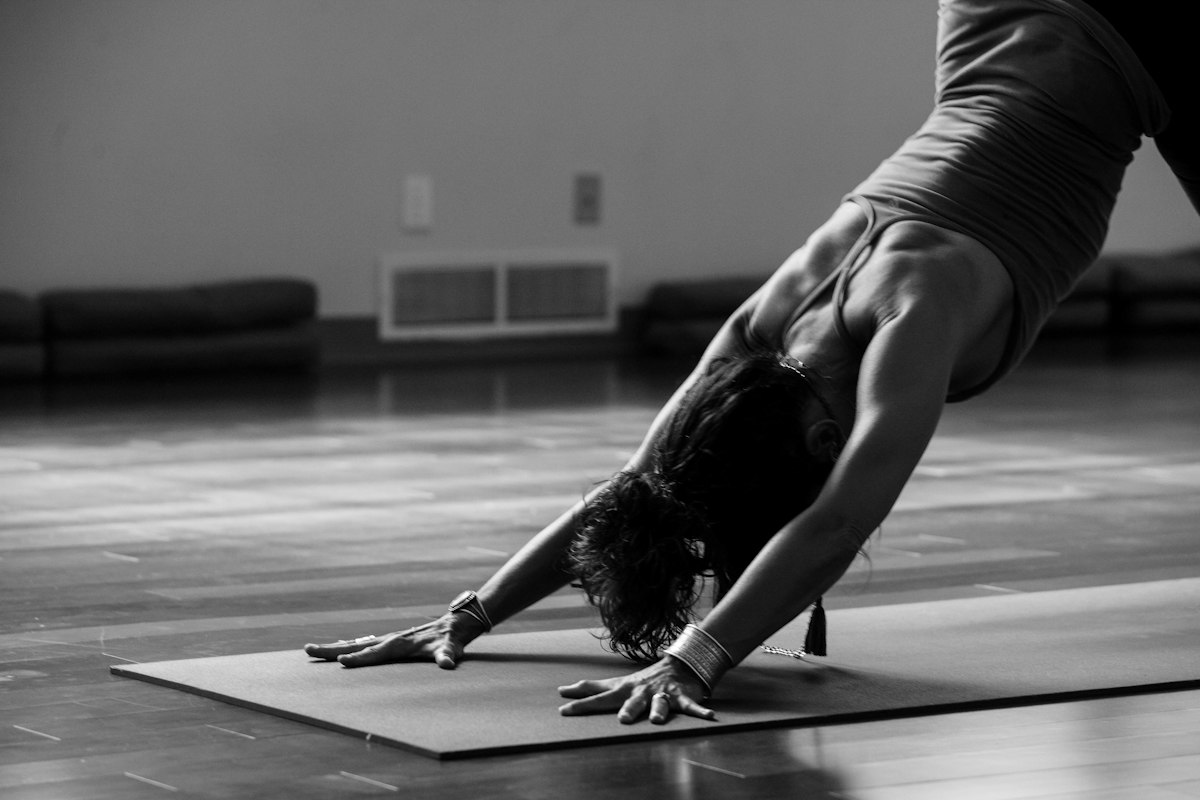
Inversions including Headstand, vigorous heat-building practices, and breath-retention techniques can all potentially affect blood pressure in ways that may be inappropriate for someone with uncontrolled hypertension — this is precisely why medical guidance before beginning matters here more than for many other health-related yoga applications.
Yoga Is Complementary, Not a Replacement for Treatment
This point deserves direct emphasis: yoga should never replace prescribed blood pressure medication or medical management without explicit guidance from your treating physician. Stopping prescribed treatment in favor of yoga alone, based on general claims about yoga's benefits, carries genuine health risk.
Working With Your Doctor
If you have hypertension and want to explore yoga as a complementary practice, discussing this specifically with your doctor — including which intensity and style of practice is appropriate for your specific blood pressure levels and any related health conditions — provides considerably more safety than self-directing based on general information alone.
A Reasonable, Cautious Starting Point
For most people with medically managed, stable hypertension, gentle practices emphasizing relaxation and calm breath are reasonably likely to be appropriate and potentially beneficial — but "reasonably likely" is not the same as a guarantee for every individual situation, which is why direct medical guidance remains essential.
This article is for general educational purposes only and is not medical advice. Please consult your doctor before beginning any new exercise practice if you have high blood pressure, and never discontinue prescribed medication without medical guidance.